
Modern Day Kitchen | Speedy Refrigerator Service

Go Green: 7 Ways To Make Your Kitchen More Energy Efficient

Green.
Ten years ago, this word was simply a color. Now, it is a lifestyle.
Individuals and businesses alike are constantly changing in order to
consume less energy and reduce their carbon footprint. These changes
range from paying their bills online in order to reduce paper waste
all the way to installing solar panels on their roof.

If you
are thinking about joining the green movement, here are seven ways
you can save both energy and money in your kitchen.
Buy Energy-Efficient
Appliances.
This is the most
obvious step if you are in the market for new appliances.
EngeryStar.gov is a great place to start your search. The Energy Star
label is given to energy efficient products by the EPA. You can find
a list of their most efficient products here.
Use the Right Sized
Burner on Your Stove.
This may
sound minuscule, but putting a 6” pan on an 8” burner can waste
almost half of the heat generated by your stove top. Also, covering
your pots and pans with tight-fitting lids helps retain heat and
allows for faster cook times.
Use the Microwave and
Toaster Oven for Small Meals.
Energy
Star estimates that you can reduce energy by up to 50% when cooking
small meals in a microwave or toaster oven instead of a conventional
oven.
Location, Location,
Location.
Where in the kitchen
you place your appliances can make a difference when it comes to
energy efficiency. Refrigerators, for example, should be kept six to
eight inches away from the wall, out of direct sunlight and away from
heat-generating appliances such as your stove.
Be Mindful When Washing
Dishes.
If you don’t have many
dishes to wash, fill a large container with soapy water and another
one with rinse water in order to avoid constantly running your
faucet. If you have too many dishes for that, your dishwasher will
actually be more efficient, as long as it is a full load. Also,
pre-washing your dishes is not necessary. Most modern dishwashers are
powerful enough to blast dirty food off your plates without the extra
work.
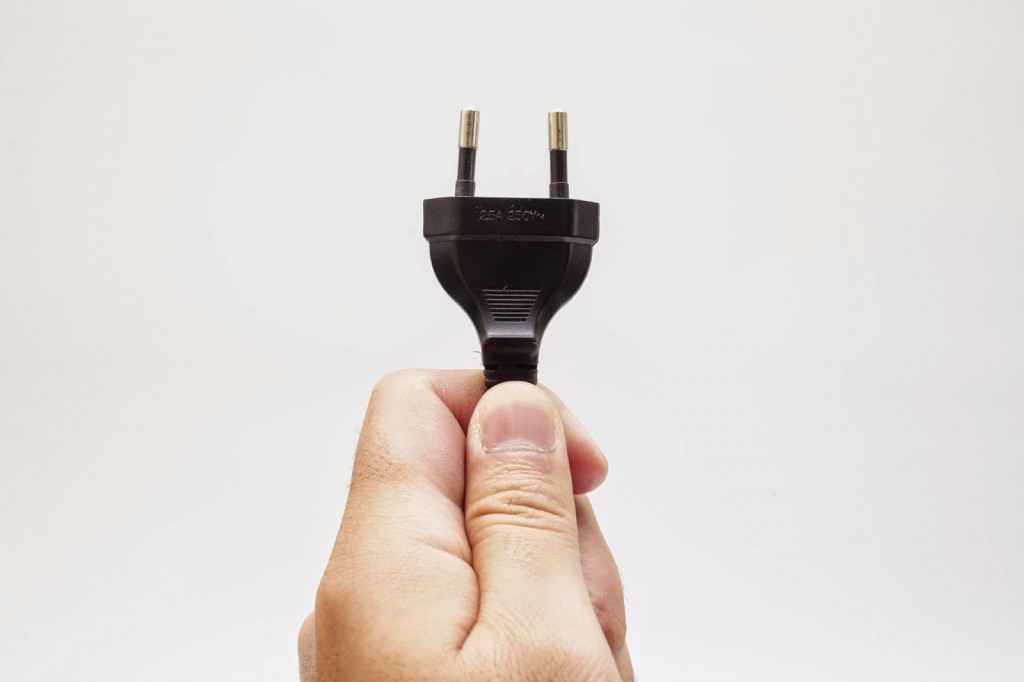
Unplug When Idle. Even
though you only use your toaster during the morning, it will use
electricity all day if you leave it plugged in. Same thing goes for
your coffee maker, electric can opener and waffle iron. Even when
these devices are turned off, they are still using electricity if
they are plugged in to an outlet. Unplugging your small appliances
when not in use can result in noticeable savings on your utility
bill.
Keep it Closed. Every
time you open the refrigerator door, cold air escapes and the fridge
must now work to restore its internal temperature. Constantly opening
the oven door to check on your food while it’s cooking does the same
thing. Instead of opening the oven door to see if your food is ready,
simply turn on the oven light and peek through the glass. When going
to the fridge, you should already know what you want so the door
stays open for as short of a time as possible.
A
broken or defective refrigerator can also significantly hinder your
energy efficiency. If you face this problem, the solution is simpler
than you think. Instead of breaking the bank and buying a brand new
model, give 24/7 Refrigerator Service a call at 866-782-9376. Our professional
technicians have been repairing broken and busted fridges for over 50
years! With same day service to New York City, Long Island, New
Jersey, and Connecticut at a great price, nobody beats 24/7
Refrigerator Service.

Man Measuring Fridge | Speedy Refrigerator Service

How to Choose the Refrigerator That is Best for Your Home

Anyone
who has been appliance shopping in the past decade will tell you that
it is not as easy as it used to be. Advances in technology have
allowed appliances to come stocked with options that many of us have
never even considered (like the drier that texts you when your
clothes are done). On top of that, there are now thousands of models
to consider, sometimes several hundred from the same manufacturer.
24/7 Refrigerator Service has put together this simple buyer’s guide
when purchasing a new refrigerator so you can spend less time in the
appliance store and more time in the kitchen.

Step 1. Choose a size
Before
you start thinking about anything else, it is important to know your
size limitations. It doesn’t matter if you found the refrigerator
that is the perfect style and color and has all of your wanted
features for 90% off the original tag price, if it is unable to fit
in your kitchen you will have to return it. Measure the space that is
available for your new model, then remeasure it and measure again.
Also make notes of any obstacles that may restrict the opening of
your refrigerator doors, such as the stove, cabinets, or walls.

Step 2. Choose a style
More
than likely, your refrigerator will be sitting in your kitchen for at
least the next ten years; it is important to pick one that you like.
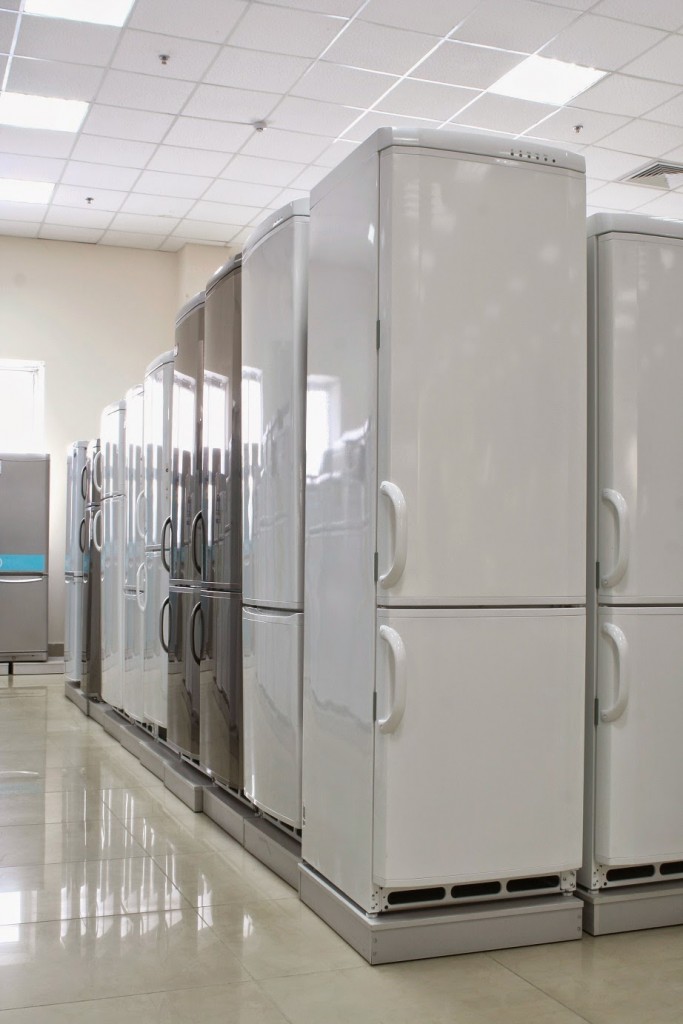
There are four main styles of refrigerators – top-freezer,
bottom-freezer, side-by-side, and french-door – each offering their
own unique benefits. Consider your family’s food buying and consuming
habits when making this decision, such as how much frozen food you
buy compared to fresh food. These factors will often point you to the
refrigerator style that is right for you.

Step 3. Choose your
features
Now is
the time to think about extra features that you may want in your new
refrigerator. Sure you want it to keep your fresh foods fresh and
your frozen foods frozen, but do you want any additional features? If
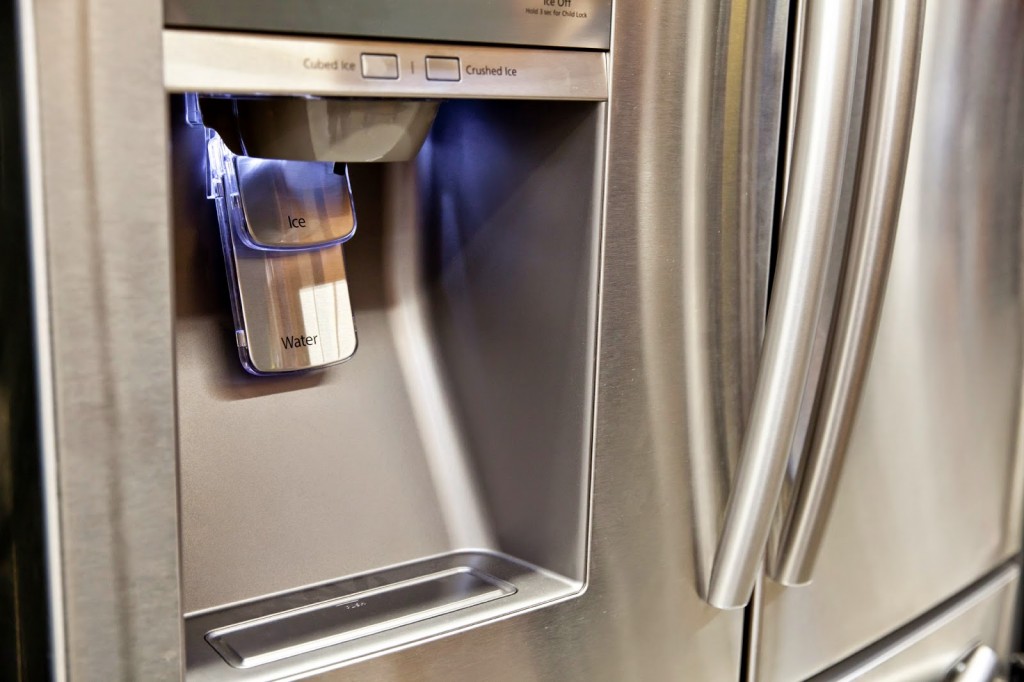
your plumbing allows for it, you may wish to buy a model with a water
dispenser and automatic ice maker. You may also want a refrigerator
with adjustable shelves and drawers to ensure that your fridge will
have the space to hold any food that you can buy. Temperature and
humidity controlled zones are also common features that many
appliance shoppers look for.

Step 4. Shop around
Once
you have picked a refrigerator that is the right style for you and
has all the right features (and most importantly, one that will fit
in your kitchen), it is time to shop around. Do some research online
to compare brands and models side-by-side and read reviews from other
customers about specific model’s functionality and reliability.
Compare prices from online vendors and local appliance stores and
find out what each price includes. Delivery, installation, removal of
your old refrigerator and warranties are desirable options that may
be included in the prices of some companies but not others.
After
making a final decision, all that is left is to buy the refrigerator
and put it in your kitchen. Before you buy a new refrigerator, it may
be worth checking if your current one can be repaired for a fraction
of the cost. If you live in the tri-state area, call 24/7
Refrigerator Service at 866-782-9376 for same day service. We have
over 60 years of experience repairing refrigerators and can be at
your door within an hour. You can also like us on Facebook for more
refrigerator guides and tips.
Full and Organized Fridge | Frigidaire Refrigerator Repair NYC | Long Island

How Refrigerators Work

Refrigerators
are the most used appliances in our kitchens; sometimes being opened
and closed dozens of times a day. Whether we reach our hand in for a
can of our favorite soda or last night’s leftovers, we always find
it cold and refreshing. The science of refrigeration truly is a
modern luxury, one that didn’t exist a couple of centuries ago. Most
of us don’t think twice about it, but the refrigerator is something
that is taken for granted in our every day lives. For those of you
who are interested in the process of refrigeration or perhaps would
like to learn a little more about an appliance that makes your life
better, 24/7 Refrigerator Repair has put together a simple
explanation of how your refrigerator operates.

The
process of refrigeration is a continuous cycle, but before we explain
that cycle, it is important to have some background information:
  1. The
    temperature of a gas lowers when the gas expands.
  2. When
    two surfaces of a different temperature make contact, the cooler
    surface becomes warmer and the warmer surface cools down. This is
    the second law of thermodynamics, according to academic textbook
    publisher Pearson.
  3. If
    you have ever looked behind your refrigerator, you may have noticed
    a long pipe that winds back and forth. This pipe is hooked up to a
    motorized pump and contains a chemical coolant in it.
Now,
with these three points understood, we can illustrate the process of
refrigeration with help from Buzzle.
  1. The
    refrigerant starts in a gaseous state and is passed through the
    compressor, which raises its temperature.
  2. As
    the gas continues to move through the pipes, it loses its heat
    through fins in the back of the refrigerator, causing it to cool
    down.
  3. The
    refrigerant, still in gas form, then moves to the condenser
    (different than the compressor)
    where its temperature is reduced and it is converted into its liquid
    form.
  4. The
    liquid refrigerant flows through a part of the refrigerator known as
    the expansion valve, where it is exposed to lower pressure.
  5. The
    lower pressure causes some of the refrigerant to evaporate and
    expand, thus lowering the temperature of the refrigerant.
  6. Due
    to the second law of thermodynamics, the cold refrigerant cools the
    inside of the refrigerator and absorbs the heat of the food inside
    as it passes through. This causes the liquid to transform back into
    a gas.
  7. This
    gas is sucked back into the compressor, and the cycle repeats
    itself.
At
24/7 Refrigerator Repair, our technicians not only know how
refrigerators work, we also know how each part independently
operates, why these parts break, and how to fix them. We have been
repairing refrigerators in the tri-state area for over 60 years,
providing outstanding service and workmanship to every customer. If
your refrigerator is broken, call us toll-free at 1-866-782-9376 and
we will be at your door in an hour; no matter if it’s daytime, night
time, or the weekend. 
 
Lazy Susan in Fridge | Refrigerator Repairs Suffolk County

8 Tips & Tricks to keep your refrigerator as organized as possible

Space
in your refrigerator can be prime time real estate. It seems like we
are always reorganizing food in order to get those last few items to
squeeze in. Using these eight simple tips, you will not only have the
most organized fridge of your life, but you will be able to fit more
in it than you ever knew was possible!

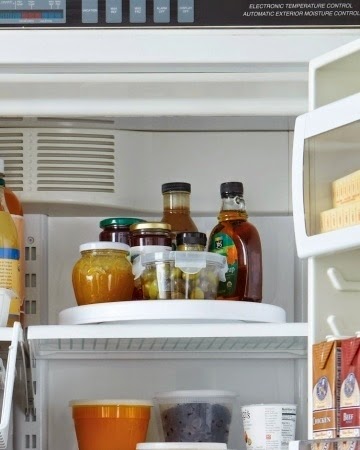
Use a
lazy susan to make sure that you never forget about food in the back of the
fridge again.

(Photo courtesy of Martha Stewart)


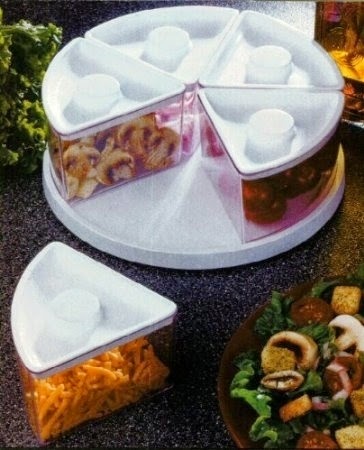
Take
this idea a step further with a lazy susan designed specifically for
leftovers.

(Photo courtesy of Amazon)


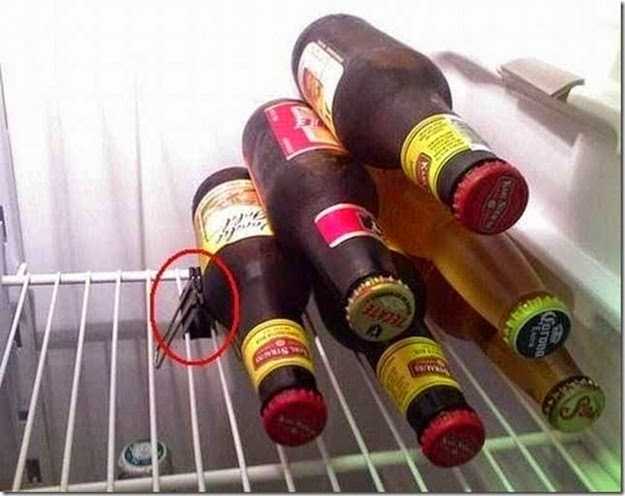
Have
loose beer bottles rolling around the fridge? A simple binder clip
can solve that.
 (Photo courtesy of Check Me Daily)


Use the
six pack containers that those bottles came from to organize your
door.
 (Photo courtesy of Reddit user Neut12)


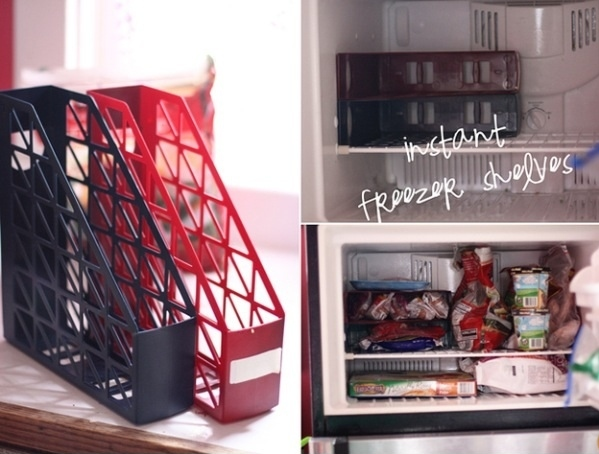
Turning
magazine racks on their side gives you extra shelves in your freezer!

(Photo courtesy of Aunt Peaches)


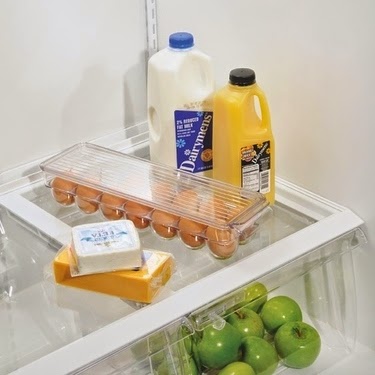
Invest
in an egg holder. It offers more protection than that flimsy foam you
buy the eggs in and allows you to stack things on top of it. 
 (Photo courtesy of Space Savers)


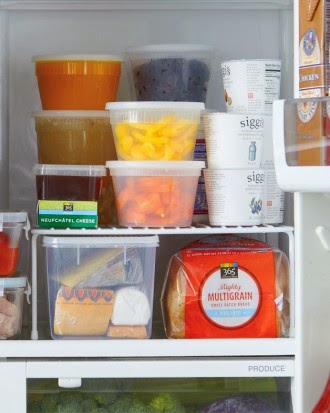
Another
alternative to keep your delicate items, such as eggs or bread, safe
is to buy a shelf riser. This also maximizes your storage space.

(Photo courtesy of Martha Stewart)


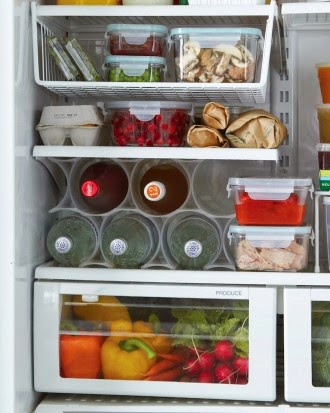
Buy a
wine rack to stack 2 liter bottles on their side without having to
worry about them rolling around.
(Photo courtesy of Martha Stewart)
At 24/7
Refrigerator Service, we are always looking for ways to help our
customers with their refrigerator-related problems. For over 60
years, we have been the tri-state area’s leading repair service for
your kitchen’s most used appliance. This is because we keep 99% of
our inventory in our “warehouse on wheels” so that we can be at
your door within an hour of calling us. Like us on Facebook and
follow us on Twitter for more tips around the kitchen!
Cleaning Refrigerator | Nassau County Refrigerator Service

How to Properly Clean & Maintain Your Refrigerator

Like
any appliance in your home, your refrigerator is an investment. Most
refrigerators are designed to last for about two decades, but not all
of them do. The brand and model of your fridge play a large role in
determining its lifespan, but how well you maintain it over the years
can be even more important. If you buy your refrigerator, plug it in,
then neglect it, you risk severely shortening its serviceable life.
The
experts at 24/7 Refrigerator Service have provided some basic
information on proper refrigerator maintenance and cleaning
techniques so that you can get the most out of your kitchen’s
most-used appliance. 
Clean condenser coils
every six months.
Over time,
dust, hair, and other pollutants can coat the condenser coils on your
refrigerator. When this happens, it forces the refrigerator to work
harder than necessary, increasing your unit’s energy consumption and
putting unneeded wear-and-tear on it. To clean the coils, shut off
your refrigerator’s water supply lines (if you have any) and unplug
it from the outlet. Slide the fridge away from the wall and locate
the coils, usually positioned either underneath the unit or on its
rear. Thoroughly vacuum the coils with your cleaner’s hose attachment
until all noticeable buildup is gone. Plug the refrigerator back into
the wall, slide it back to its proper position, and reconnect any
water supply lines.
Clean & replace door
seal as needed.
The rubber seal
around the door, known as the gasket, is a very important mechanism.
If this piece is loose, cracked, or damaged in any way, it allows
external warm air to enter the refrigerator. In turn, the fridge must
work harder to maintain its internal temperature. When you notice the
gasket getting dirty, wipe it down with a rag covered in water and a
mild cleaning detergent. While cleaning it, quickly inspect it for
cracks, tears, or loose edges. If there are any damages, gaskets are
quick, easy, and cheap to replace. Replacing a gasket when you notice
it is flawed will save you from months of higher electricity bills
and potentially long term wear-and-tear to your refrigerator.
Defrost your freezer as
needed.
When the frost on the
walls of your freezer becomes ½ an inch thick, it is time for a
defrost. To do this, remove all of the food in your refrigerator and
freezer and unplug the unit. Once the frost has completely melted,
wipe the inside dry and plug it back in. Once it has reached its
normal operating temperature, you can restock it with your fresh and
frozen foods.
Clean the drip pan every
month.
Many newer refrigerator
models are “auto-defrosting”. These models heat up the interior
walls every eight hours or so in order to melt any ice that had
accumulated on them. The water then drains into a pan at the bottom
of the refrigerator. Most of this water evaporates, but it is still
recommended to clean this pan with soap and warm water once a month
to prevent the growth of bacteria. On most models, the drip pan can
be accessed by detaching the kickplate from the bottom of the front
of the unit. 
Check for spoiled food
and spills daily.
In order to
prevent bacteria growth and unpleasant odors in your refrigerator,
you should check it every day in order to make sure that there is no
spoiled food sitting there. Also, do a quick eye test for anything
that may have recently spilled or leaked. Cleaning up messes as soon
as you notice them is much quicker than after allowing the food to
sit and harden. It will also prevent the food from developing a
stench and attracting bacteria.
Clean the interior every
three months.
While you should
clean any obvious spills, leaks, or messes in your refrigerator right
away, you should also give the entire interior a thorough cleaning
seasonally. To do this, take all of the food out of your refrigerator
followed by any removable shelves and drawers. Clean all pieces in
the sink with warm water and dish soap and allow them to air dry.
Wipe the walls and other interior surfaces of the refrigerator with
the cleaning agent of your choice. Make sure everything is dry before
replacing the shelves and drawers in your refrigerator. Go through
your food and throw away anything that has spoiled or expired, and
place the remaining food back in the fridge.
Replace filters every six
months.
If your refrigerator
has an automatic ice maker or water dispenser, it will have filters
that should be replaced twice per year. Every refrigerator is
different, instructions for your particular model should be included
in the instruction manual.
Following
these steps will ensure that you maximize the lifespan of your
refrigerator. However, no matter how well you maintain your
appliances, they will eventually need repair. When that time comes,
you can always call 24/7 Refrigerator Service. Open 24 hours a day, 7
days a week, we can be at your door within an hour if you live in the
tri-state area. You can also like us on Facebook or follow us on Twitter to get more insightful tips and stay up to date on company
news.